- Official name: Pompeii houses
- Location/Address: 80045 Pompeii, NA, Italy
- Timings: Daily 9am - 6pm (enquire before visiting)
Homes and histories: Explore Pompeii houses
What are Pompeii houses?
Pompeii are well-preserved homes that offer a unique opportunity to see how ordinary people and the wealthy lived in the first century AD. The houses of Pompeii provide a wealth of information about the daily lives of the city's inhabitants, from their architecture and furnishings to their food and clothing. If you want to dig deeper into the roots of Pompeii, this is a great place to start.
Pompeii houses quick facts
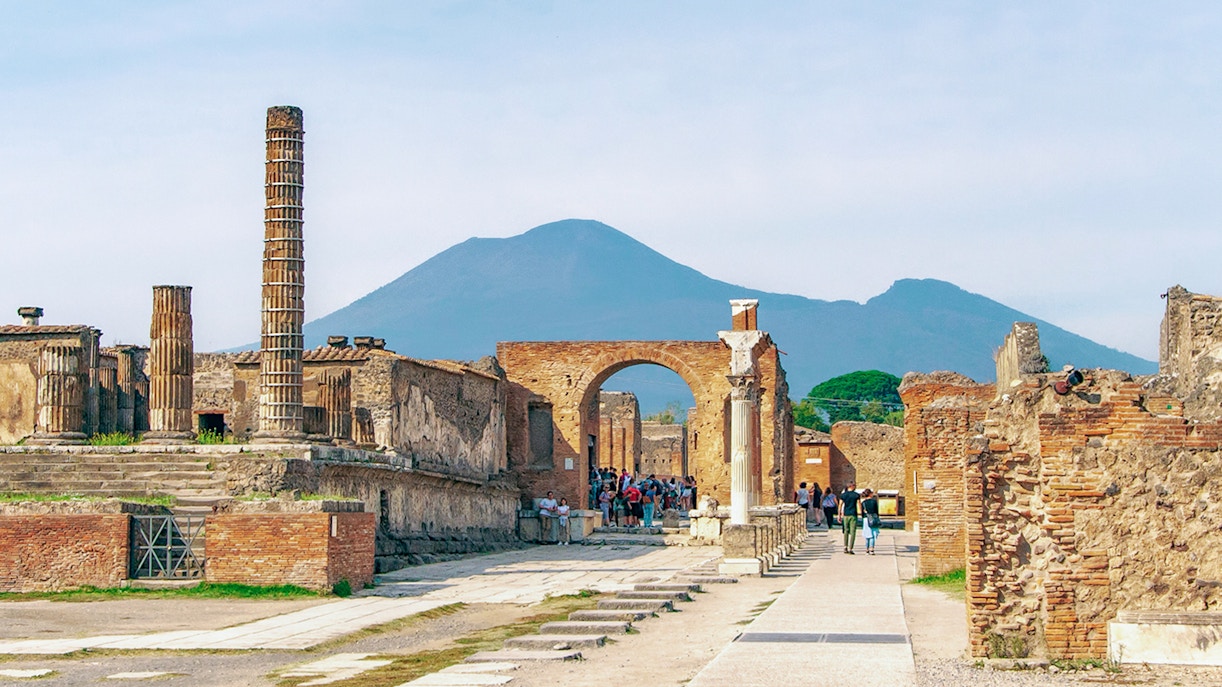
Why visit Pompeii houses
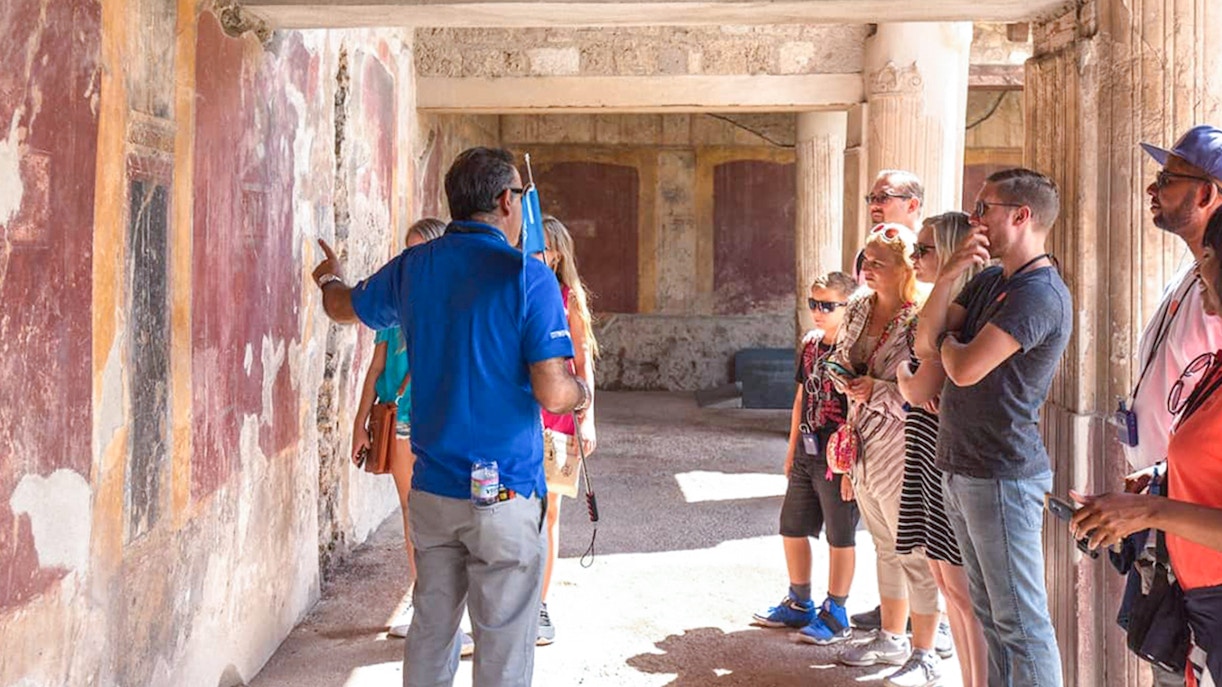
- Significant historical site: Pompeii is a UNESCO World Heritage Site and one of the most important archaeological sites in the world.
- Elaborate decorations: Many of the houses are decorated with elaborate frescoes, mosaics, and sculptures.
- See amazing artwork: Visitors can see some of the Pompeii Houses' most famous Roman frescoes and mosaics.
- Experience the atmosphere: Visitors can experience the atmosphere of an ancient Roman city by walking the streets and visiting the houses of Pompeii.
- Forerunners of modern-day amenities: The Pompeii Houses were equipped with a variety of amenities. The houses had running water and flush toilets. They also had heating systems, which were powered by charcoal or wood.
- Well-preserved: The houses are incredibly well-preserved, thanks to the volcanic eruption that buried them in 79 AD.
What's inside Pompeii houses?
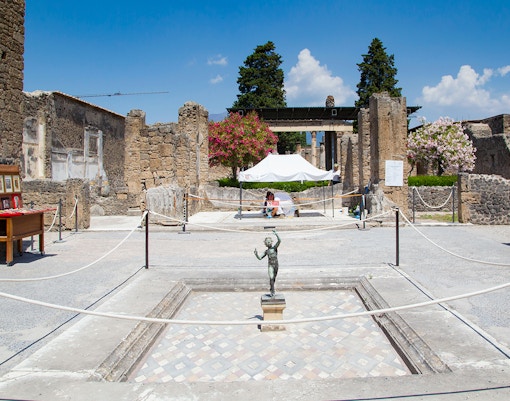
House of the Faun
The House of the Faun is a large and luxurious villa with a variety of rooms and features, including an atrium, peristyle, triclinium, cubiculum, culinary space, and taberna. The house is named after a bronze statue of a faun, or dancing satyr, that was found on the premises. The statue is now on display at the National Archaeological Museum of Naples. The House of the Faun is also known for its elaborate frescoes and mosaics.
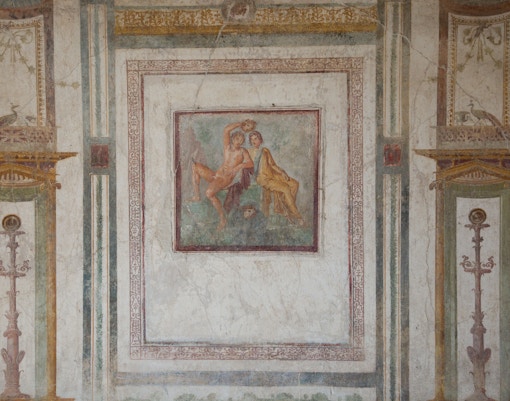
House of the Vettii
While the House of the Vetti as not as large as the House of the Faun, but it is just as impressive with its beautiful frescoes and mosaics. The house is named after the two brothers, Aulus Vettius Restitutus and Aulus Vettius Conviva, who owned it. The House of the Vettii is decorated with a variety of frescoes, depicting scenes from Greek and Roman mythology, as well as landscapes and still lifes.
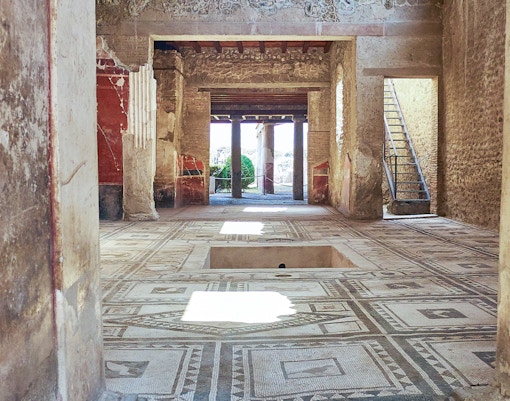
House of the Tragic Poet
The House of the Tragic Poet is a smaller house in Pompeii. It is named after a bronze statuette of a tragic poet that was found on the premises. The House of the Tragic Poet is decorated with a variety of frescoes, including scenes from Greek mythology and everyday life. Some of the most famous frescoes include the Medea Fresco and the Hercules and Telephus Fresco.
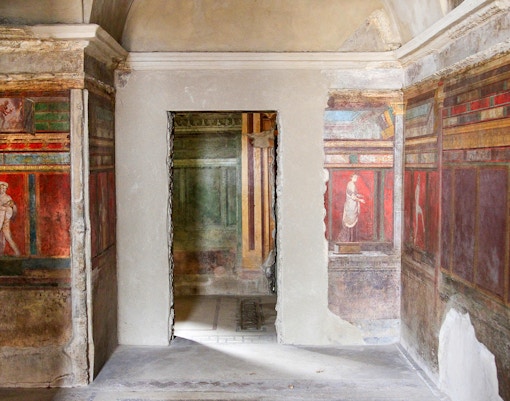
Villa of the Mysteries
The Villa of the Mysteries is a large villa located outside of the city walls of Pompeii. It is named after the famous frescoes that were found in the villa's triclinium, or dining room. The frescoes in the triclinium depict a series of enigmatic scenes that are thought to represent a religious initiation ceremony.
Accessibility at Pompeii houses
Pompeii has an accessible path with ramps and elevators to help people with disabilities overcome architectural barriers. However, the terrain may be bumpy and not yet fully up to international accessibility standards.
Frequently Asked Questions About Pompeii Houses
You can buy Pompeii Houses tickets at the Pompeii Archaeological Park ticket office or online in advance.
Yes, Pompeii Houses tickets are included in the Pompeii Archaeological Park ticket price.
The Pompeii Houses vary in size and style, but they all share some common features. The central atrium was a roofed courtyard that served as the main living space. The atrium was surrounded by rooms such as the bedrooms, dining room, and kitchen. The peristyle was a garden courtyard that was often used for entertaining guests.
You can take a guided or self-guided walking tour of the Pompeii Houses. You can also learn about ancient Roman culture and architecture from the houses and their contents. You can see some of the most famous Roman frescoes and mosaics in the Pompeii Houses. And you can experience the atmosphere of an ancient Roman city by walking the streets and visiting the houses of Pompeii.
The Pompeii Houses are open daily from 9:00 AM to 6:00 PM. However, the timings may vary depending on seasons and other factors. Enquire before you plan your visit.
The Pompeii Houses are located in the Pompeii Archaeological Park, which is situated on the west coast of Italy, about 14 miles (23 kilometers) southeast of Naples.
Most of the Pompeii Houses are wheelchair accessible. However, some of the houses have narrow doorways and steps, so it is best to check with the Pompeii Archaeological Park staff before visiting.
Yes, photography is allowed at the Pompeii Houses. However, flash photography is not allowed.
There is no specific dress code for visiting the Pompeii Houses. However, it is important to wear comfortable shoes and clothing, as you will be doing a lot of walking.
The best time to visit the Pompeii Houses is during the shoulder seasons of spring and fall when the weather is mild and there are fewer crowds. The summer months can be very hot and crowded, so it is best to avoid them if possible.
More Reads
About
History