- Official name: Pompeii
- Address: Pompei, Metropolitan City of Naples, Campania, Italy
- Timings: 9 AM to 7 PM (April 1 to October 31); 9 AM to 5 PM (November 1 to March 31)
Pompeii statues quick facts

Pompeii statues were found buried under volcanic ash during the eruption of Mount Vesuvius in 79 AD. Some of the statues on display include lifelike depictions of people, gods, and animals created from marble and bronze. These depict the remarkable skill of Roman artists, offering insight into the daily life and aesthetics of the ancient world.
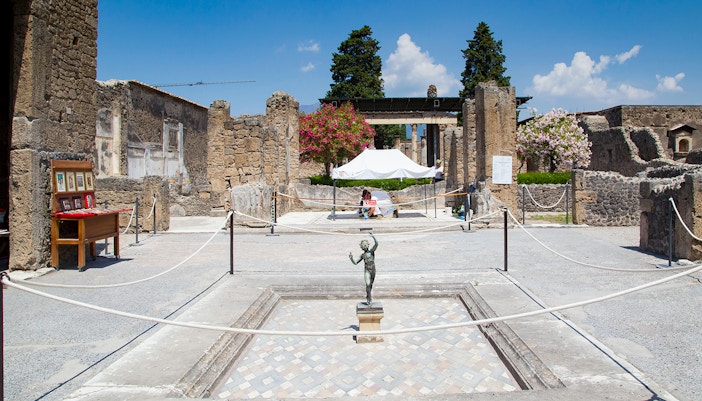
The ‘Faun of Pompeii’ is one of the most iconic statues in the ancient city. It depicts a young fawn caught in mid-dance. The exquisite work of art is made of white marble and exhibits remarkable detail: the sculptor perfectly captures the faun’s graceful posture and the playful expression on his face. It is a testament to the exceptional craftsmanship of the early Romans.
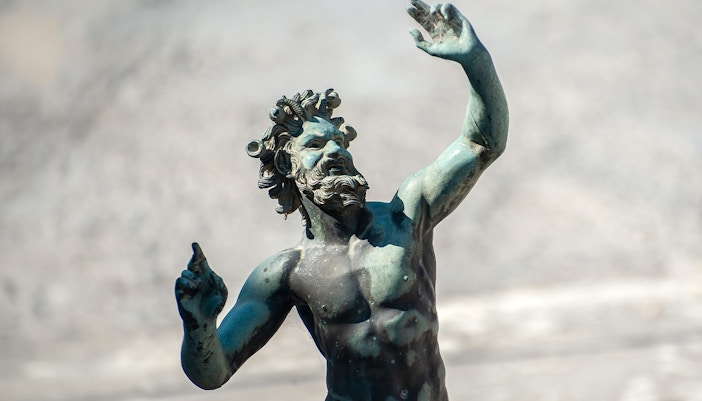
‘Dancing Faun’ is an equally remarkable statue in Pompeii. Like the Faun of Pompeii, it portrays a faun dancing euphorically, celebrating life and joy. The sculpture, like the Faun of Pompeii, was carved from marble and beautifully captures the sculptor's expertise
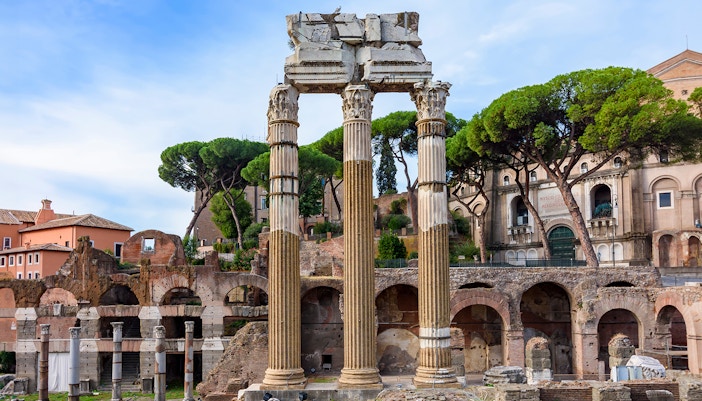
A classic representation of Venus, the goddess of love, ‘Venus Genetrix’ is a beautiful marble sculpture that mirrors the beauty, graceful pose, and flowing drapery of the goddess. It reflects the Roman fascination with Greek aesthetics.
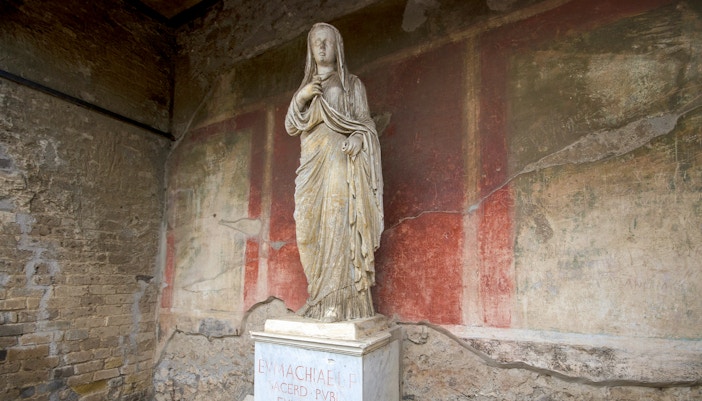
Priestess Eumachia was a prominent figure in Pompeii. She helped construct Macellum, a market building and played a key role in the economic and religious life of the ancient city. The statue was perhaps erected to signify her civic contributions.
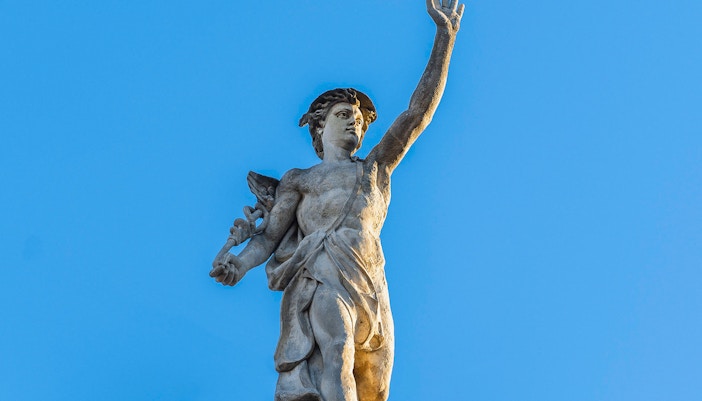
Hermes Statue was discovered in the House of the Faun in Pompeii. Dedicated to the Greek god of travel, trade, and communication, the statue is a testament to ancient Rome’s multicultural influences where beliefs and artistic traditions converged.
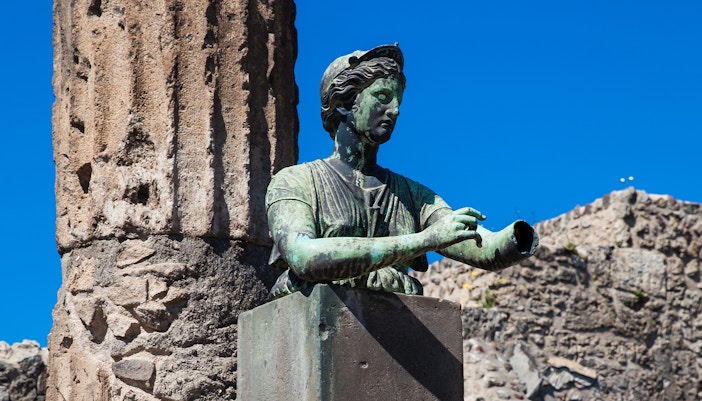
Crafted from marble, the ‘Diana of Pompeii’ is dedicated to Diana, the goddess of the hunt. It captures the ethereal beauty and strength of the goddess and shows her in a classical contrapposto stance, holding a bow and a quiver of arrows.
The statues at Pompeii are sculptures found after deep excavation at the ancient Pompeii site. They reveal the antique sculpturing processes, shedding insight on the materials used, popular themes and more.
You can see the Pompeii statues with your Pompeii Archaeological Park tickets, which can be bought at the ticketing office or online in advance. However, booking online is advised to grab the best deals, avail combo tickets, etc.
Yes, Pompeii statues can be viewed with the Pompeii Archaeological Park tickets.
You can see the statues of the faun, which are the most famous of them all. Admire the intricate carving in marble on the statues of Venus, Hermes and more.
Yes, you are allowed to photograph Pompeii statues. However, flash photography is not allowed.
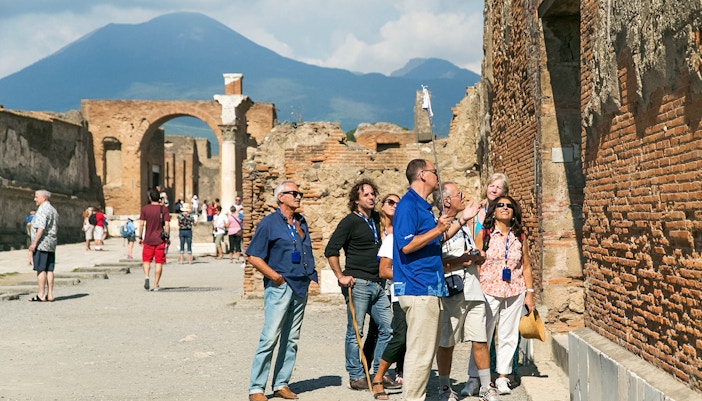
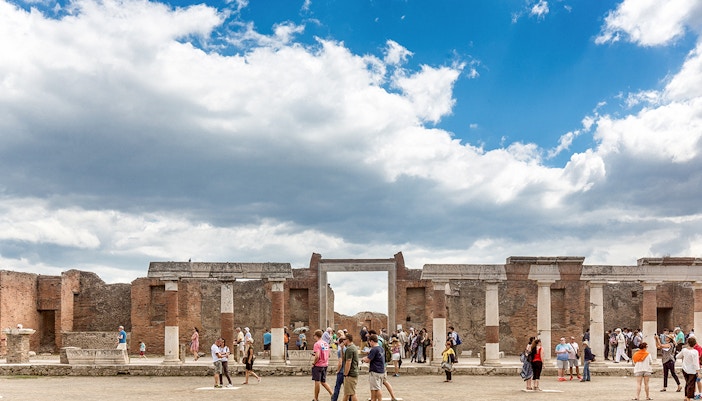

Pompeii Entry Tickets
Pompeii Skip-the-Line Guided Tour
Pompeii Entry Tickets with Audio Guide
Combo (Save 8%): Pompeii + Herculaneum Tickets
