











Oplontis Tickets

Crafted by Headout, a global experiences brand offering curated tours, tickets & experiences. Discover with ease, book with peace.

Top things to do in Naples

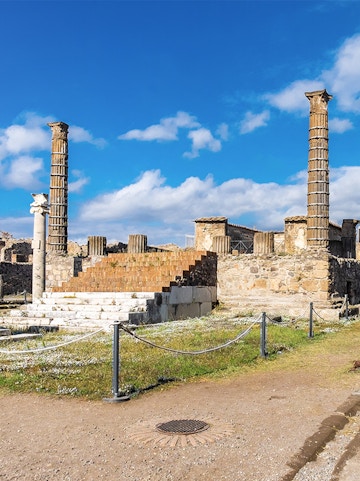
Oplontis, an ancient Roman site near Pompeii, was a luxurious seaside retreat buried by the eruption of Mount Vesuvius in 79 AD. Best known for Villa A, believed to have belonged to Emperor Nero’s wife, Poppaea, the site showcases stunning frescoes, grand architecture, and evidence of opulent Roman life. Unlike Pompeii, which was a bustling city, Oplontis was more of an elite getaway, offering a glimpse into the lavish lifestyle of Rome’s aristocracy.

Why visit Oplontis?

  • Discover a key trade hub: Oplontis provides insight into Roman commerce, with hundreds of amphorae and evidence of ancient trade activity.  
  • Easy access from Naples or Pompeii: Located in Torre Annunziata, Oplontis is just a short train ride away, making it an ideal addition to a Vesuvian ruins itinerary. 
  • Admire stunning frescoes: View some of the best-preserved wall paintings from ancient Rome, featuring vivid colors, mythological scenes, and illusionistic designs that bring the villa to life.  
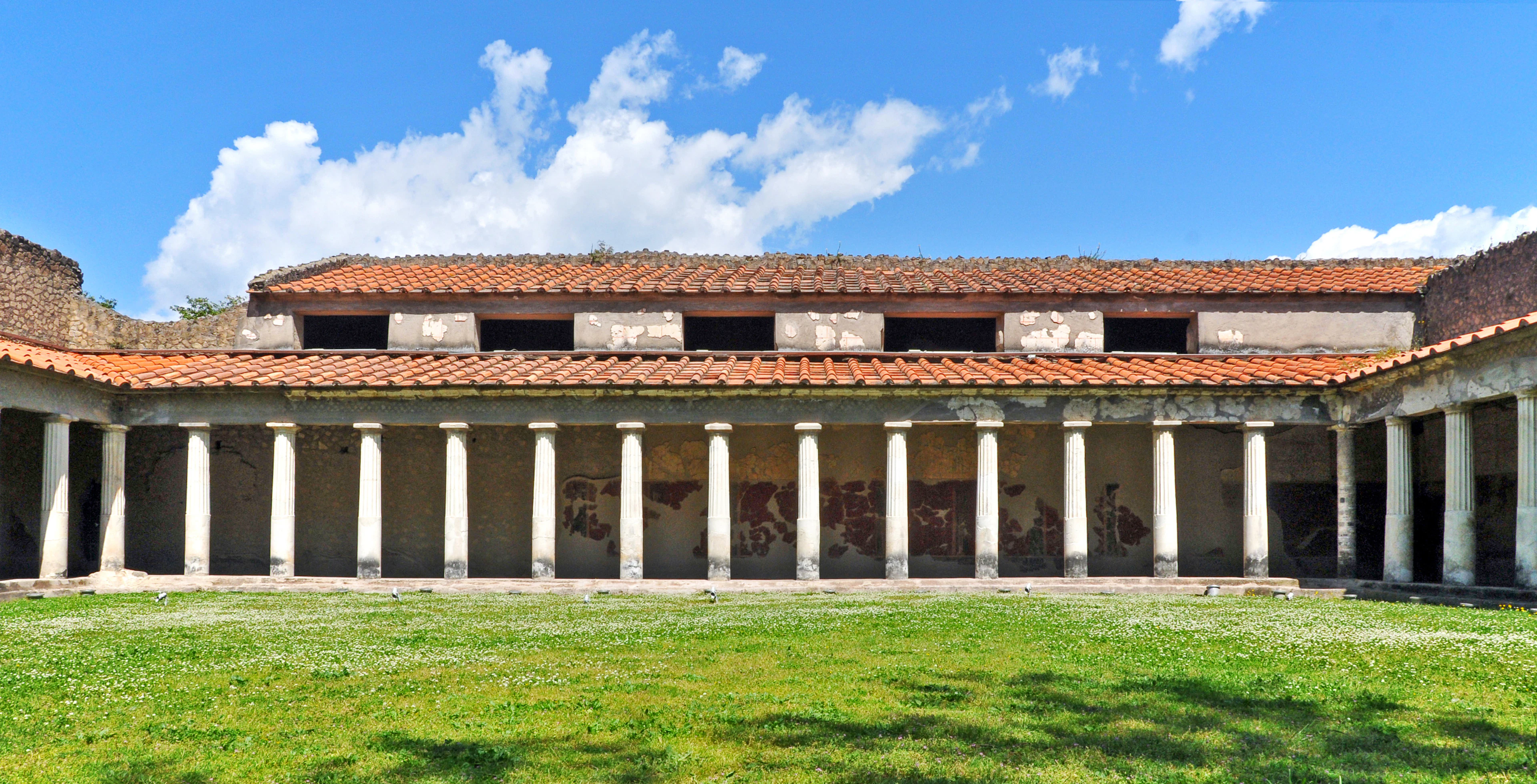
  • See aristocratic Roman architecture: Explore the lavish Oplontis, with its grand colonnades, elegant courtyards, and an enormous swimming pool, which showcase elite Roman luxury.  
  • Experience a crowd-free site: Unlike Pompeii and Herculaneum, Oplontis offers a peaceful and immersive atmosphere, letting you explore at your own pace.  

Things to know before booking your Oplontis tickets

  • Standard tickets grant access to Oplontis and allow you to skip the queues, making your visit smoother and more convenient.  
  • An audio guide is included with the entry ticket, providing essential information about the site’s history and significance. However, it offers only a basic overview. Guided tours are recommended for those who want a deeper understanding of Oplontis. These small-group experiences provide a more personalized approach, allowing you to ask questions and engage with expert guides.  
  • Campania Artecard is a great budget-friendly option for longer stays. It provides access to 80 major attractions, including Oplontis, Pompeii, and Herculaneum, making it a cost-effective choice for history enthusiasts exploring the region.

Your Oplontis ticket types explained

TicketDurationGuideSkip-the-lineLanguages

Villas of Oplontis

Villa of Poppaea: A masterpiece of Roman luxury

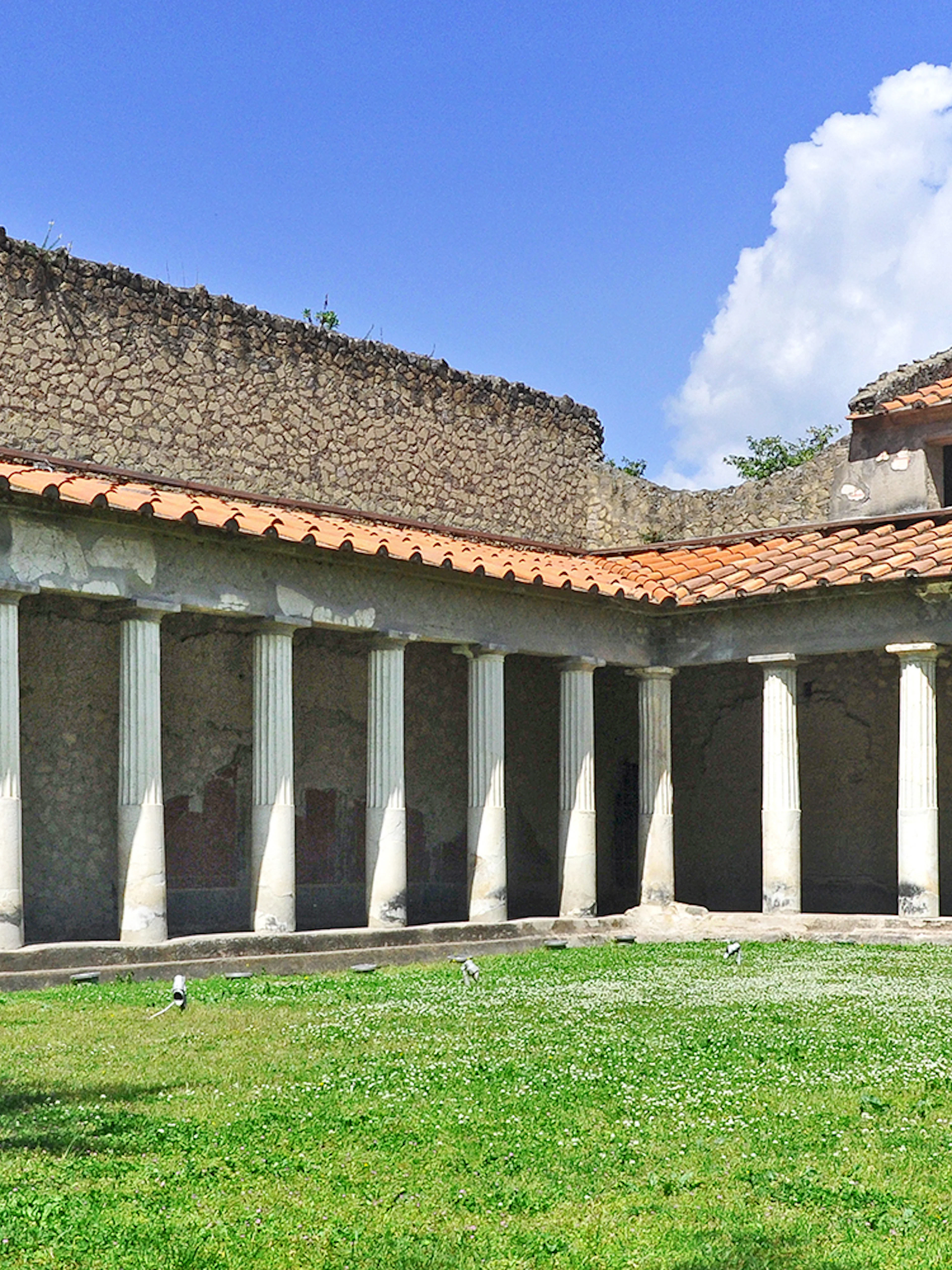
The Villa of Poppaea (Villa A) is one of the most spectacular examples of Roman aristocratic architecture. This massive villa, set on a scenic coastal location in ancient times, was likely a luxurious retreat for the imperial family. The villa boasts extraordinary frescoes, which are among the best-preserved in the entire Roman world. Unlike the more common domestic paintings found in Pompeii, these frescoes are grander, richer in color, and meticulously detailed, reflecting the extravagant tastes of the Roman elite. The villa features sumptuous peristyles (columned courtyards), a vast swimming pool, and elegantly designed gardens that suggest a lifestyle of extreme leisure and refinement. Wandering through the rooms, you can still see frescoed walls depicting mythological scenes, illusionistic architectural designs, and lush landscapes, all meant to impress visitors and create a sense of luxury and escapism.

Villa B: A window into ancient commerce

Not far from Villa A lies another significant structure, often called Villa B. This site provides a stark contrast to the aristocratic residence nearby, as it appears to have been a mixed-use building, combining residential quarters with a large commercial storage area. Hundreds of amphorae (ancient storage jars) have been found stacked within the villa, suggesting it was a key location for storing goods, possibly wine or oil, before distribution. Unlike Villa A, Villa B also contained human remains, indicating that some individuals, likely merchants, workers, or slaves, were caught in the eruption. This site gives visitors a rare insight into the workings of ancient Roman trade and daily life, providing a broader perspective beyond the grandeur of the elite.

Beyond Oplontis

Pompeii

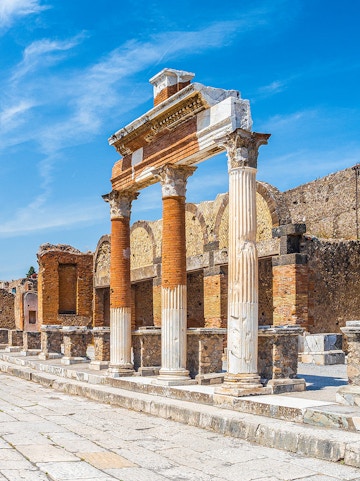
Once a thriving Roman city, Pompeii was buried under volcanic ash during the eruption of Mount Vesuvius in 79 AD. The site offers remarkably well-preserved streets, houses, frescoes, and even plaster casts of its inhabitants. Walking through its ruins provides a haunting yet fascinating glimpse into daily life in ancient Rome.

Book your tickets to Pompeii

Herculaneum

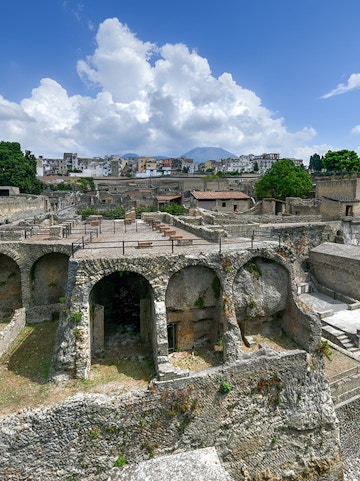
Smaller but better preserved than Pompeii, Herculaneum was buried under volcanic mud that solidified, protecting wooden structures, furniture, and even food remains. Its lavish villas and detailed mosaics reveal the wealth of its residents. The site offers a more intimate look at Roman life, with fewer crowds than Pompeii.

What to see at Herculaneum ruins?

National Archaeological Museum of Naples

Home to one of the world’s finest collections of Greco-Roman artifacts, this museum houses treasures from Pompeii, Herculaneum, and beyond. Highlights include the famous Farnese collection, intricate mosaics, and the intriguing Secret Cabinet of erotic art. It’s an essential stop for understanding the art and culture of ancient Italy.

Book your tickets to the museum

Frequently asked questions about Oplontis tickets

No, standard tickets only include entry and an audio guide. For a more immersive experience, you’ll need to book a separate guided tour.

More reads

About Pompeii

Mount Vesuvius

Pompeii Antiquarium